
The landscape of therapeutic antibodies is rapidly evolving. For decades, the biopharmaceutical industry has heavily relied on the standard Immunoglobulin G (IgG) framework to develop life-saving treatments for oncology, autoimmune diseases, andRead More…
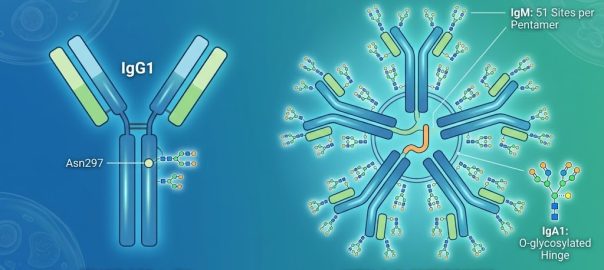
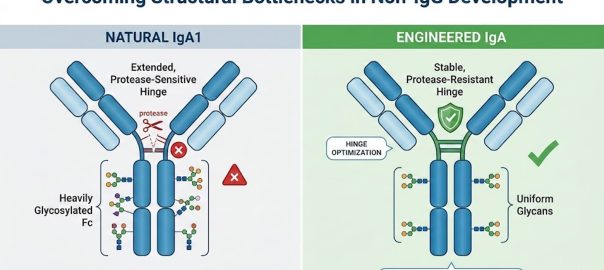
Non-IgG Antibody Engineering Playbook: Hinge, Fc, and Polymerization Control
For decades, the biopharmaceutical landscape has been dominated by Immunoglobulin G (IgG). Its favorable half-life, well-understood structure, and established manufacturing processes have made it the gold standard for monoclonal antibody (mAb) therapeutics. However,Read More…
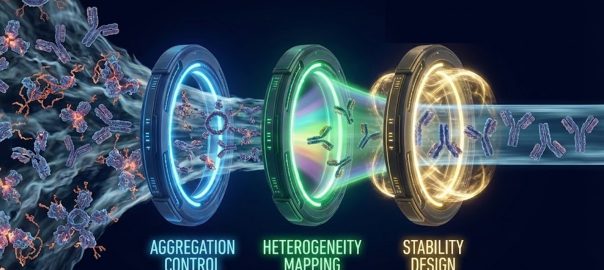
Developability for Non-IgG: Aggregation, Heterogeneity, and Stability
Non-IgG antibodies—especially IgA, IgM, and IgE—are re-entering biologics pipelines for reasons IgG cannot always match: mucosal targeting, high avidity through multivalency, and specialized effector biology. But the same structural features that makeRead More…
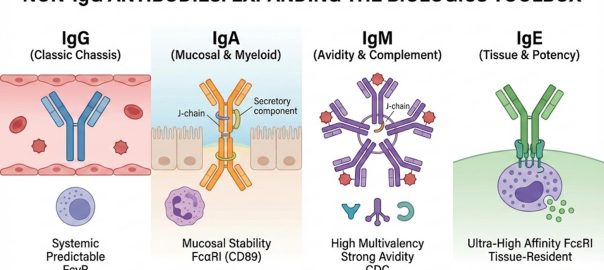
Non-IgG Antibodies Explained: Why IgA/IgM/IgE Are Re-Emerging in Biologics Design
IgG has been the “default chassis” for therapeutic antibodies for decades—and for good reason: mature discovery workflows, predictable developability, well-characterized Fc effector biology, and scalable manufacturing. But the industry’s IgG-centric comfort zoneRead More…
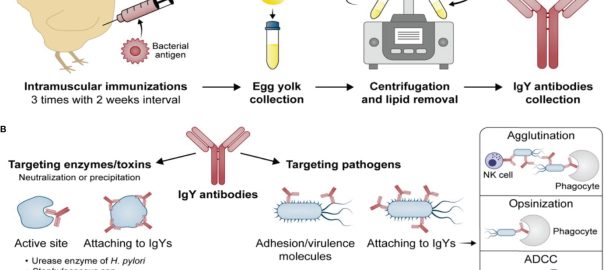
IgY Antibodies as a Promising Strategy to Overcome Antibiotic Resistance
Antimicrobial resistance (AMR) is steadily eroding the impact of conventional antibiotics. Every year, hundreds of thousands of deaths are already attributed to drug-resistant infections, and projections indicate that, without new strategies, thisRead More…
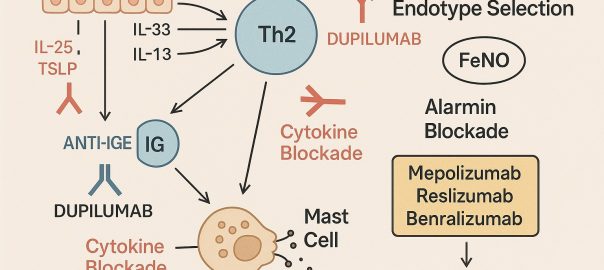
Therapeutic Targeting of IgE in Allergic Disease
Allergic diseases share a common inflammatory logic: epithelial “danger” signals activate a type-2 cascade that culminates in IgE-armed effector cells and rapid symptom flares on re-exposure. Monoclonal antibodies (mAbs) that intercept thisRead More…
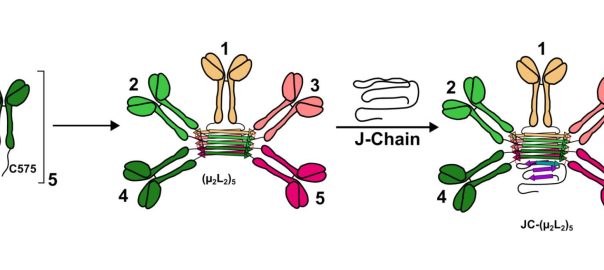
J-Chain and IgM Pentamers: Molecular Mechanism of Assembly
Immunoglobulin M (IgM) is a crucial component of the primary immune response. As the first line of defense, these antibodies are known for their high avidity—the collective strength of multiple antibody-antigen bindingRead More…
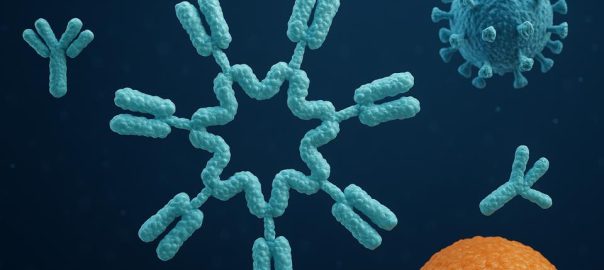
The Expanding Role of IgM in Immunity and Disease
Immunoglobulin M (IgM) is the most ancient and structurally distinctive immunoglobulin isotype in the vertebrate immune system. Though often overshadowed by IgG and IgA, IgM plays a critical role in shaping earlyRead More…
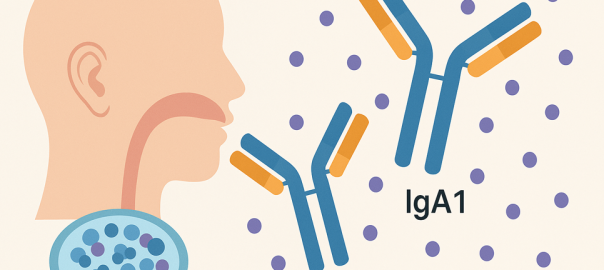
Salivary IgA Subtypes as SLE Biomarkers
Systemic lupus erythematosus (SLE) remains one of the most heterogeneous and diagnostically challenging autoimmune diseases. Its complex pathogenesis involves dysregulated B cell responses and the persistent production of pathogenic autoantibodies, often reflectedRead More…
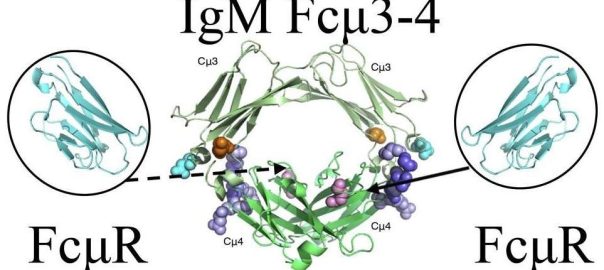
How IgM Engages FcμR: A Molecular View
Immunoglobulin M (IgM) is a central player in the immune system’s early response to infection. Its pentameric structure provides a high-avidity defense mechanism, allowing it to rapidly neutralize pathogens. Yet, despite itsRead More…